
Why Everyone should Train like an Athlete
Now I’m not suggesting you sack off your day job and commit the next 4 years of your life to completing at the Tokyo 2020 Olympics. However there are many benefits to training like an athlete (even if you aren’t one). Using a specifically tailored, goal orientated and level appropriate training program that is based on a foundation of quality movement and prioritises increases in performance will benefit everyone of every ability.
Striving for a certain Aesthetic look certain isn’t the top priority of an athlete however it is often a positive by-product of training with a performance purpose.

Reach New Heights with Climbing Strength Training
Before i start lets be clear, good technique is THE most important factor underpinning successful climbing. Adding strength to poor technique will simply reinforce that poor technique and only get you so far.
That being said, adding strength and mobility to solid technique will bring about considerable improvements in your climbing. Executing those hard moves will become easier, you will be more resistant to fatigue and you will dramatically reduce your risk of injury.
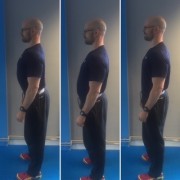
Do you have poor breathing patterns?
Over the course of a normal day we breathe over 20,000 times. Now that’s a lot of breathing, all of which is done subconsciously. But here’s the thing, improper breathing patterns can reinforce poor posture, diminish mobility and have a negative impact on performance.
So how do we improve our breathing patterns, and tap into the many benefits?
The answer is in diaphragmatic breathing. By breathing with your diaphragm, gas exchange in your lungs will be more efficient; your breathing rate will slow; your nervous system will relax; circulation and digestion are aided; your immune system is boosted; you have a heightened sense of well being and finally, the diaphragm contributes to good posture and core muscle strength.
In order for us to understand how breathing can help us add some Kgs to the bar, produce more power and move more efficiently, we first need to look at a couple of poor breathing patterns that are all too common.